
Inclusive education is widely recognised as a cornerstone of an equitable and just society. Yet for many children with disabilities in Nepal, the promise of education remains out of reach, not because of a lack of legal guarantees, but due to persistent failures in implementation. Despite formal commitments to international human rights standards, systemic, institutional, and social barriers continue to prevent these children from accessing quality, inclusive learning environments on an equal basis with others.
Nepal is a signatory to several key international human rights instruments, including the Convention on the Rights of Persons with Disabilities (CRPD), which guarantees the right to inclusive education. Under Article 24 of the CRPD, states must ensure that children with disabilities are not excluded from mainstream schooling and can access free, quality education. Inclusive education, therefore, requires more than integration; it demands that education systems be designed to accommodate diverse learning needs.
When implemented effectively, inclusive education benefits not only learners with disabilities but the education system as a whole. It fosters environments that value diversity, encourage participation, and promote social cohesion. Schools become spaces where all students can build relationships, challenge stigma, and develop a broader understanding of inclusion, laying the foundation for more equitable and pluralistic societies.
Advancing the Right to Education in Nepal Through Litigation
Through my work with children with disabilities, I witnessed how they were routinely denied admission to schools due to disability-based discrimination. Having faced similar barriers in my own educational journey, I felt compelled to challenge these injustices by filing a public interest litigation before Nepal’s Supreme Court seeking a mandamus to ensure free, inclusive education and vocational training for persons with disabilities across both public and private institutions.
The Court’s landmark ruling in favour of the petition marked a major step toward recognising inclusive education as a justiciable right in Nepal. It mandated free education, required the appointment of trained inclusive education teachers, and facilitated the issuing of disability identity cards to improve access to services. Prior to this decision, many schools openly denied admission to children with disabilities, effectively excluding them from the education system.
In the years that followed, Nepal introduced a range of legal and policy reforms, including constitutional guarantees and disability rights legislation, signalling alignment with its international obligations. However, nearly 15 years later, the reality on the ground remains largely unchanged. Systemic barriers to inclusive education remain entrenched, and substantial gaps persist in the enforcement of the Court’s directives.
Barriers to Inclusive Education in Nepal
Despite the legal advances, most schools in Nepal remain inaccessible and ill-equipped to support children with disabilities. Despite there being over 30,000 schools nationwide, only around 380 have resources to support students with disabilities, and just 48 schools are specifically designed to accommodate them. Even more worryingly, UNICEF found that over 30% of the disabled children aged 5-14 do not attend school at all.
The challenges stem from a combination of structural, systemic, and social barriers. Schools often lack accessible infrastructure, appropriate learning materials, and trained teachers capable of addressing diverse learning needs. At the policy level, limited awareness and weak implementation mechanisms continue to hinder progress.
A key issue is the persistent confusion among education policymakers between inclusive education and integrated/special needs education. Inclusive education is often misunderstood as simply placing children with disabilities in mainstream classrooms, rather than transforming the entire education system to accommodate diverse learning needs. For example, some schools enrol children with disabilities but fail to provide accessible infrastructure, adapted learning materials, or trained teachers, resulting in limited participation and learning outcomes. In other cases, students with disabilities are placed in separate units within mainstream schools, reinforcing segregation rather than inclusion. This lack of conceptual clarity has led to fragmented and inconsistent policy implementation.
Social stigma further compounds these challenges. In many rural communities, disability is still viewed as a form of divine punishment or misfortune, leading to the exclusion of children from both educational and social spaces. Research I conducted in 2023 found that such beliefs were closely linked to illiteracy among parents, highlighting the intersection between education, awareness, and stigma.
Geography also plays a critical role. In remote and mountainous areas, children with disabilities face significant risks and logistical challenges in accessing education. In one tragic case in 2020, a visually impaired Dalit girl died after falling from a cliff while returning home from school in far-western Nepal. Incidents like this not only expose the physical dangers involved but also discourage families from sending their children to school, particularly in the absence of adequate state support.
The Way Forward
As a State Party to international human rights instruments, including the CRPD, Nepal must move beyond policy rhetoric toward meaningful implementation, ensuring that inclusive education becomes a lived reality rather than merely an aspirational goal.
First, the government must operationalise existing legal frameworks by establishing clear regulations, accountability mechanisms, and monitoring systems across all levels of governance. Without enforcement, legal guarantees will continue to have a limited impact.
Second, strengthening the capacity of the education system is essential. This includes integrating inclusive pedagogy into teacher training, equipping educators with practical skills and resources, and ensuring that policymakers clearly understand the principles of inclusive education in order to design effective interventions.
Third, sustained and targeted financing is critical. Dedicated resources are needed to improve accessibility, provide learning materials in appropriate formats, and support specialised services such as resource teachers and classroom aides. These investments must be tied to clear implementation plans and be regularly monitored.
If Nepal takes these three critical steps, it can move toward building an equitable and inclusive education system that empowers children with disabilities, reduces long-standing inequalities, and strengthens social and economic development.
The views expressed in this post are those of the author and do not necessarily reflect the position of the Atlantic Fellows for Social and Economic Equity programme, the International Inequalities Institute, or the London School of Economics and Political Science.
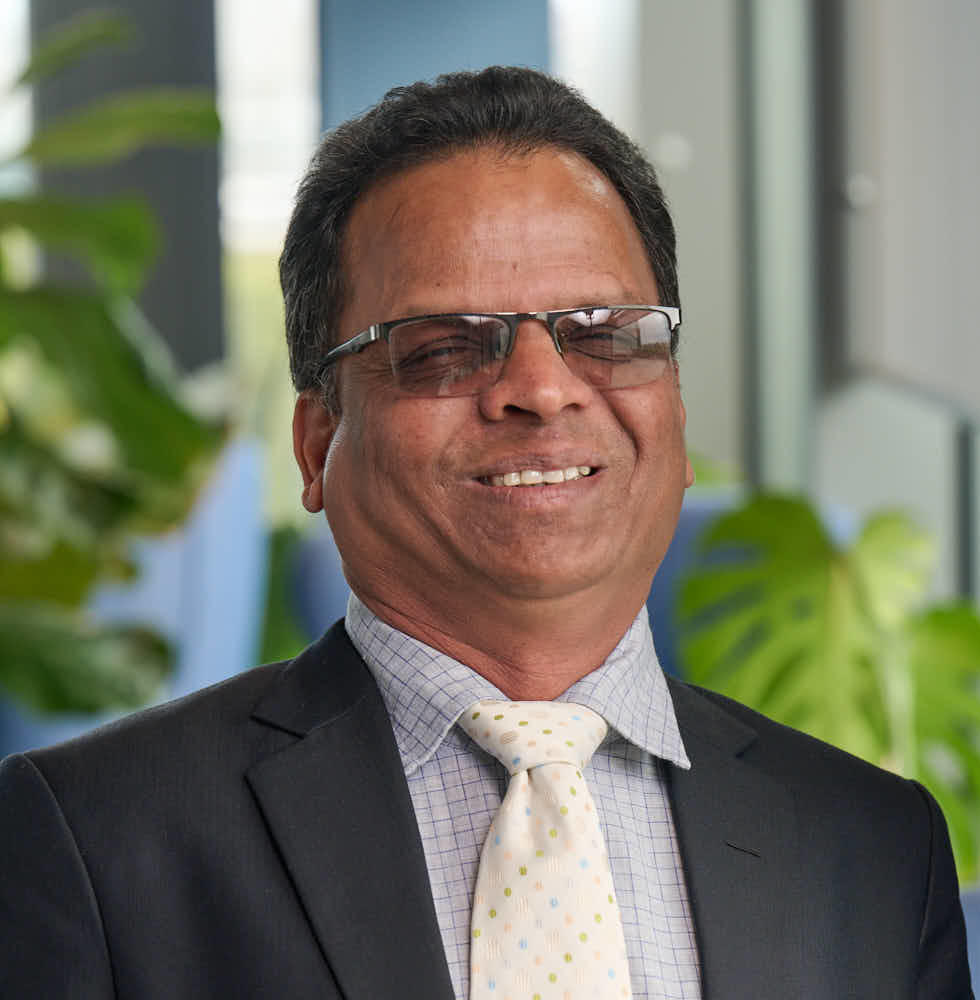
Dev Datta Joshi
Executive Director, Equip for Equality Nepal (EEN)
Dev Datta Joshi is an Atlantic Fellow for Social and Economic Equity, a human rights lawyer, and a disability rights activist. He is the Executive Director and founder of Equip for Equality Nepal (EEN), an organisation devoted to the promotion of democracy and human rights in Nepal.
Banner Image: Photo by Calum Hill on Unsplash