
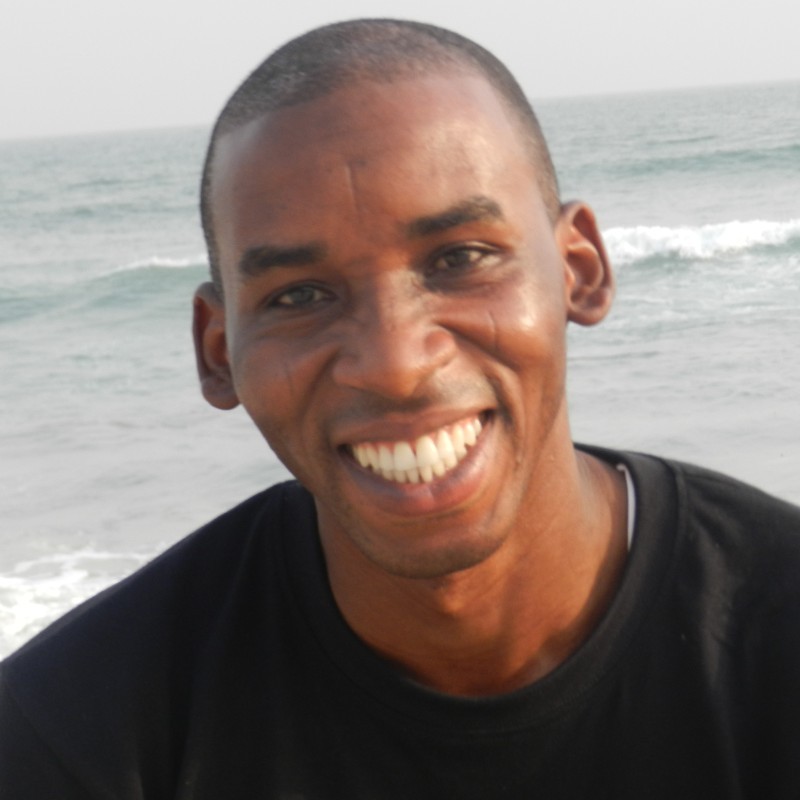
Mohammed Anwar is a development professional, policy practitioner, and researcher with over 20 years of experience shaping social and economic justice agendas both in Ghana and internationally. His work focuses on advancing equitable, inclusive, and accountable public policy across key areas, including inequality, tax and fiscal justice, civic space and civil society strengthening, climate and gender justice, community rights, and democratic governance. He has played a leading role in designing and influencing national, regional, and global policy strategies that engage governments, donors, international institutions, and the private sector.
Mohammed Anwar is currently the Country Director of Oxfam in Ghana and an adjunct faculty member at the Graduate Institute of Geneva. Prior to joining Oxfam in 2009, he worked at Ghana’s Institute for Policy Alternatives, specialising in social and public policy research and advocacy, and development management. His work has contributed to policy debates and reform efforts on poverty and inequality reduction, progressive taxation, the protection and expansion of civic space, environmental justice, and inclusive economic governance.
A consistent thread in his career has been supporting civil society organisations and social movements to operate in safe and enabling civic environments, act as credible policy actors, and ensure that the perspectives of marginalised communities inform public decision-making. He has contributed to publications including case studies based on programme experience in Ghana and has co-authored publications on civil society sustainability in Ghana and contributed to the Oxfam in Ghana Inequality Report.
Mohammed Anwar holds an Executive Diploma in Development Policies and Practice from the Graduate Institute in Geneva (2018), an MA in Development Studies from the University of Ghana (2005), a BA in Integrated Development Studies from the University for Development Studies in Ghana (2002), and a Certificate in International Development from Trent University in Canada (2004).
Growing up and working in Ghana has shown me how deeply inequality is shaped by unaccountable power embedded in everyday systems. I have seen real change when communities organise locally and link their struggles to wider movements, when lived experience informs ideas, and when people come together to confront power honestly and imagine alternatives. That connection between local action and global solidarity is what drives my commitment to social and economic justice.Mohammed-Anwar Sadat Adam